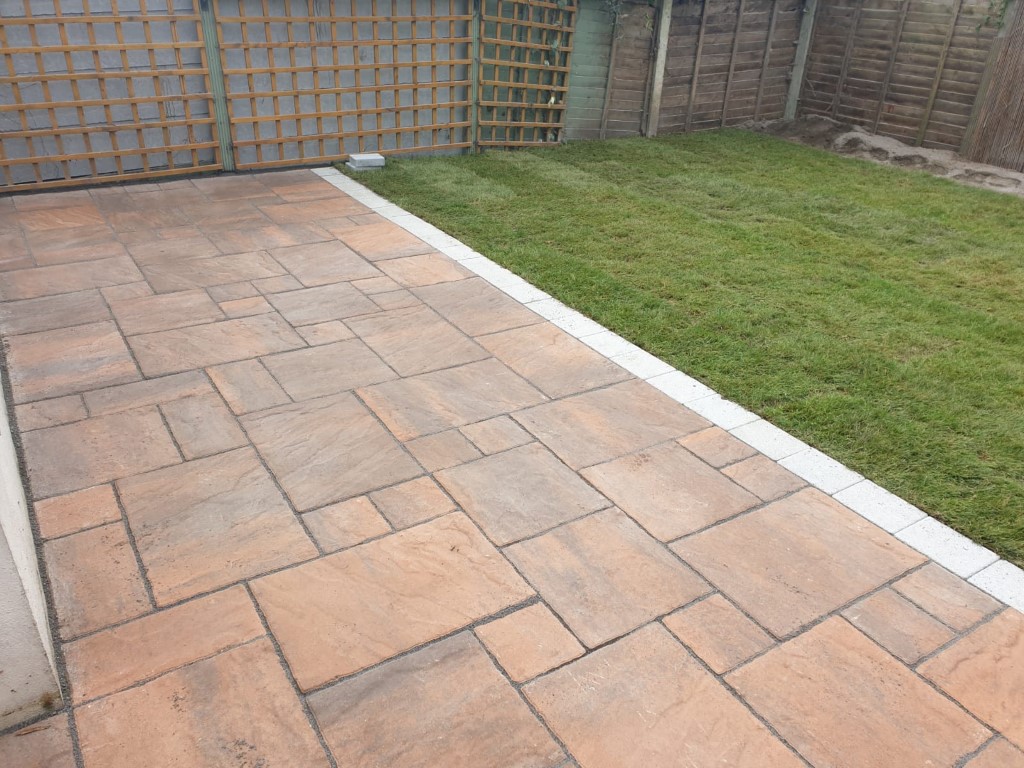
Choosing between limestone and sandstone paving affects both the appearance and long term performance of your outdoor space. Both materials offer distinct advantages, but understanding their differences helps ensure the right choice for Liverpool’s marine climate.
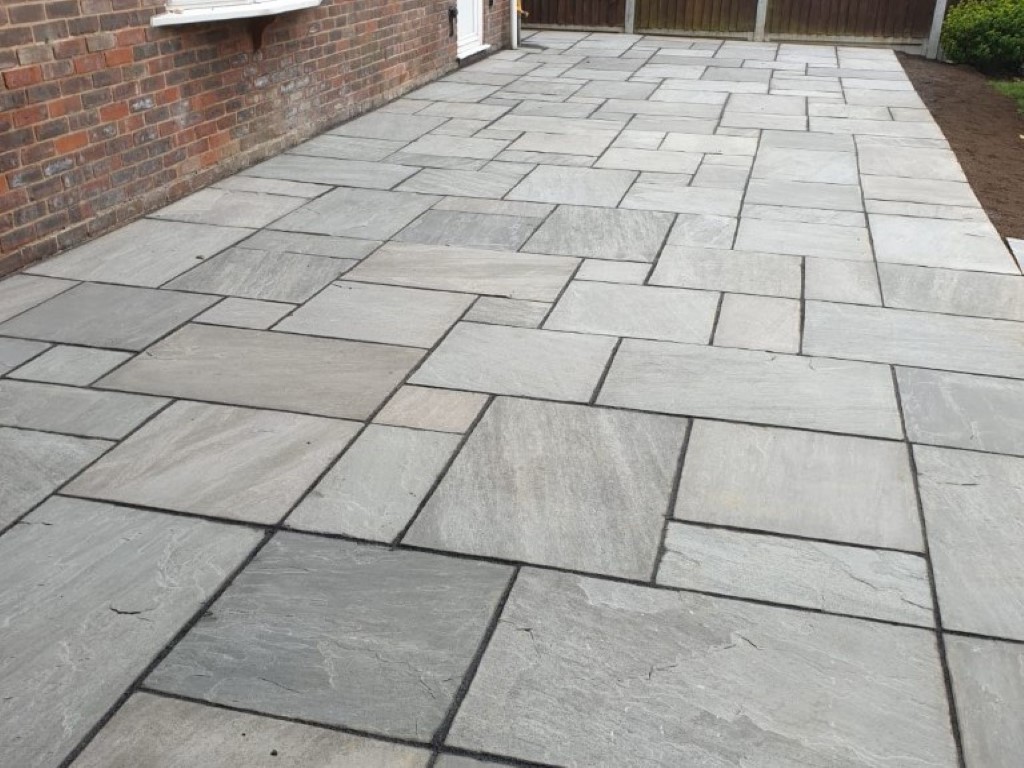
Limestone typically presents a more uniform, refined appearance with subtle colour variations. Sandstone offers greater texture diversity and warmer tones, from buff yellows to rich reds and browns.
Durability and Weather Resistance
Limestone generally provides superior weather resistance, particularly important in wet conditions. Its dense structure resists water absorption better than most sandstone varieties. Expert paving contractors recommend limestone for long-term durability.
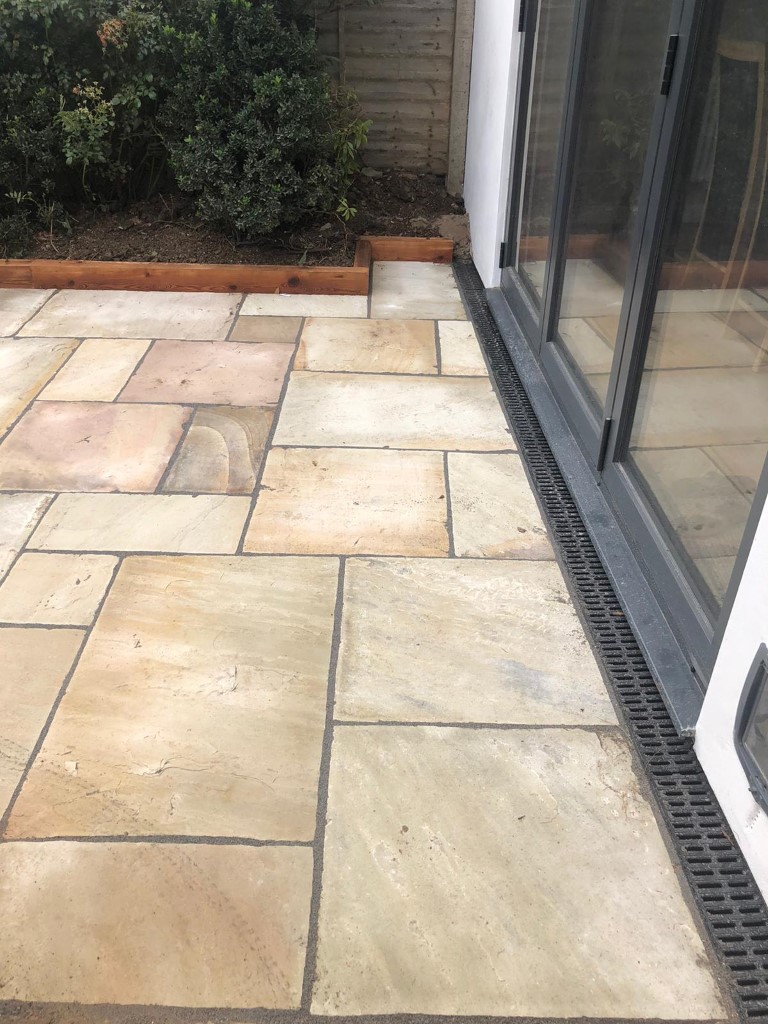
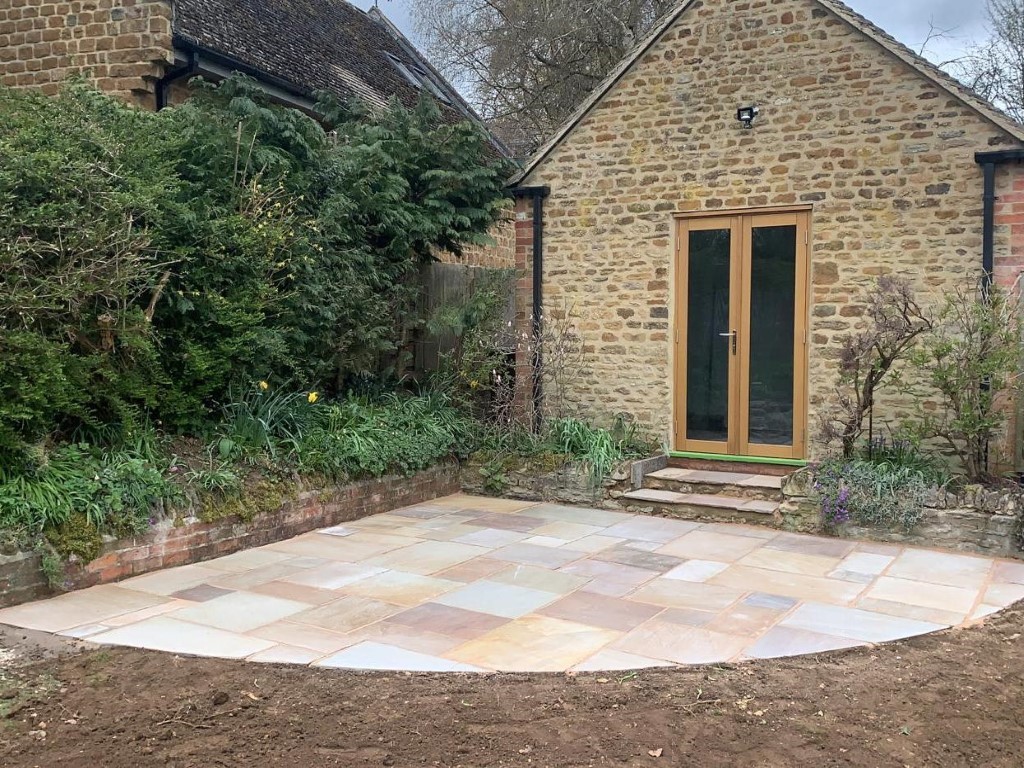
Sandstone durability varies significantly between types. Indian sandstone, commonly used in domestic projects, performs well but requires proper sealing. Yorkshire sandstone offers excellent longevity but costs considerably more.
Maintenance Requirements
Limestone requires minimal ongoing maintenance once properly installed. Regular sweeping and occasional washing typically suffice to maintain its appearance.
Sandstone needs more attention, particularly in Liverpool’s damp climate. Annual cleaning and periodic resealing help prevent moss growth and maintain colour vibrancy.
Cost and Availability
Sandstone generally costs less initially, especially Indian varieties. Limestone commands higher prices but offers better value through reduced maintenance needs.
- Indian sandstone: £15 to £25 per square metre
- Limestone: £25 to £40 per square metre
- Premium sandstone varieties: £30 to £50 per square metre
Consider your budget for both installation and ongoing care when making your decision. Limestone’s higher upfront cost often balances against lower maintenance expenses over time.